
Modern appliances make everyday life easier but even reliable ovens, dishwashers, washing machines, dryers, fridges and microwaves can eventually develop faults. Understanding common appliance problems can help you identify simple issues, carry out safe basic checks and recognise when professional assistance is needed. For Sydney households, a problem with one appliance can quickly disrupt your daily routine. A washing machine that will not start, a fridge that is not cooling or a dishwasher that leaves water behind may have several possible causes. In many cases, the first step is identifying the symptoms rather than immediately replacing the appliance.
This guide explains common appliance faults, practical troubleshooting steps and situations where professional repair is the safer option. If you are dealing with a Appliance Repairs Sydney residents commonly use or another major household appliance, always check the manufacturer’s instructions before attempting any troubleshooting.
What Are the Most Common Appliance Problems?
Although every appliance is different, many faults fall into a few familiar categories:
- Appliance will not turn on
- Appliance stops during a cycle
- Unusual noises or vibrations
- Water leaks or drainage problems
- Appliance is not heating or cooling correctly
- Incorrect temperatures
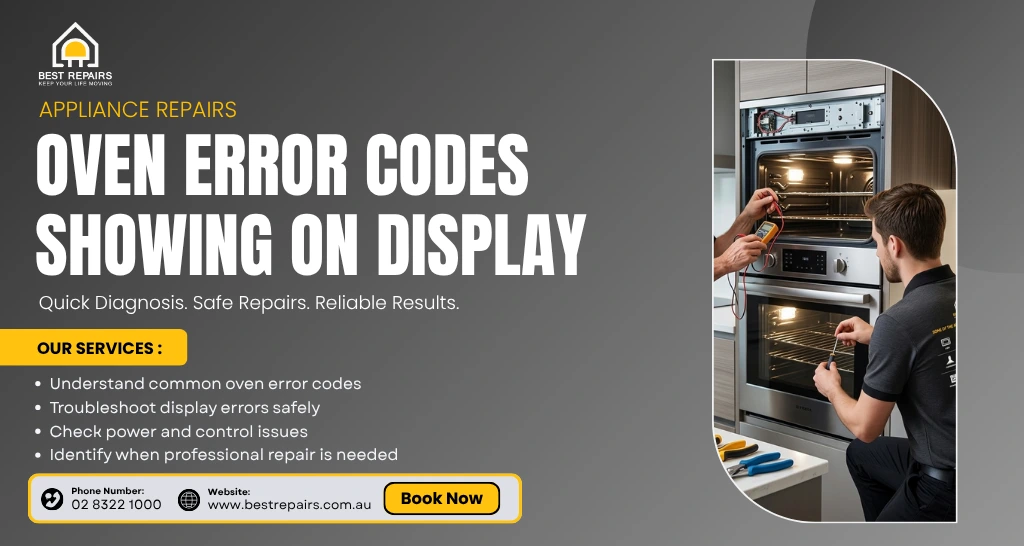
- Error codes appearing on the display
- Doors, seals or hinges not working correctly
- Poor cleaning or drying performance
- Electrical tripping or intermittent operation
Manufacturers such as Whirlpool provide troubleshooting resources covering laundry appliances, refrigeration, cooking appliances, microwaves and dishwashers, showing how symptoms can vary considerably between appliance types.
Common Oven Problems
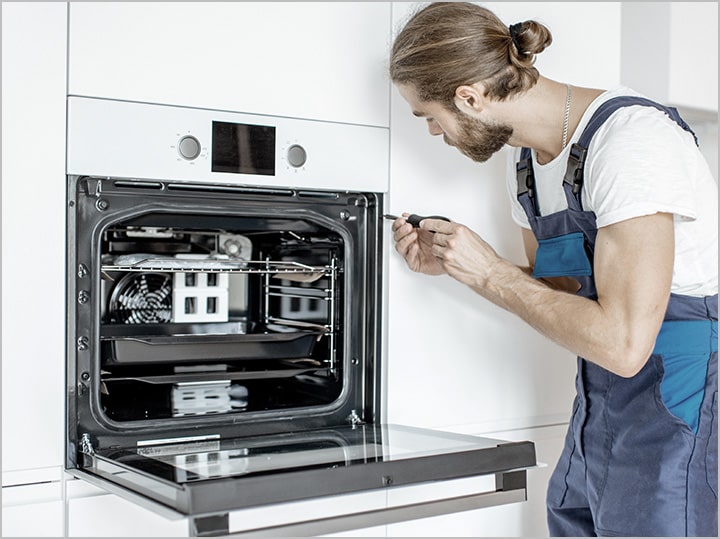
An oven that does not heat properly is one of the more frustrating common appliance problems, particularly when you are preparing a meal.
Oven Not Heating
First, check whether the appliance has power and whether the correct cooking function has been selected. If the display works but the oven remains cold, the fault could involve a heating element, thermostat, sensor, control board or another internal component.
Do not remove electrical components yourself unless you are appropriately qualified. If the oven repeatedly fails to heat, professional diagnosis can identify the underlying fault rather than simply replacing parts unnecessarily.
Oven Temperature Is Incorrect
If food is consistently undercooked or overcooked, the temperature sensor, thermostat, heating system or door seal may require inspection. Comparing the oven’s behaviour with the manufacturer’s recommended settings can help establish whether the problem is consistent.
For persistent faults, professional Professional Appliance Repairs Sydney services can provide a more appropriate diagnosis.
Common Dishwasher Problems
Dishwashers can experience problems involving water supply, drainage, cleaning performance and unusual noises.
Dishwasher Is Not Filling With Water
Check that the water supply is turned on and that the inlet hose is not visibly kinked. Also check whether the dishwasher door is closing correctly.
If these basic checks do not resolve the issue, the inlet valve, filter, sensor or control system may require professional inspection.
Dishwasher Is Not Draining
Standing water can result from a blocked filter, drainage hose or other drainage component. Turn the appliance off before carrying out basic cleaning and follow the manufacturer’s instructions.
If the dishwasher continues to leave water behind after cleaning the accessible filter, it is worth arranging a professional inspection.
Common Washing Machine Problems
Washing machines can show several warning signs, including failure to start, excessive vibration, drainage problems and unusual sounds.
Washing Machine Will Not Start
Check that the door is completely closed, the power connection is secure and the selected cycle has been started correctly. Some machines will not operate if the door-lock mechanism has not engaged.
If the machine has power but still does not respond, the problem could involve the door lock, control panel, electronic control board or another internal component.
Washing Machine Is Vibrating Excessively
A machine can vibrate when the load is uneven or the appliance is not level. Redistribute the clothes and check that the machine is positioned securely on a stable surface.
Persistent vibration, particularly with unusual banging or grinding sounds, may indicate a mechanical problem that needs professional attention.
Common Dryer Problems
A dryer that does not start or fails to produce sufficient heat can be inconvenient, especially during wet weather.
Dryer Is Not Heating
Start with basic checks recommended by the manufacturer. Clean accessible lint filters and make sure airflow is not restricted. Poor ventilation can affect dryer performance.
If the dryer runs but remains cold, possible causes may include a heating component, thermostat, sensor or electrical fault. Avoid opening the appliance to test internal electrical components unless you are qualified to do so.
Dryer Will Not Turn On
Check the power supply and controls. If the appliance has power but does not respond, the door switch, control system or another internal component could be responsible.
Common Fridge Problems
Refrigerators are particularly important because poor cooling can affect food storage.
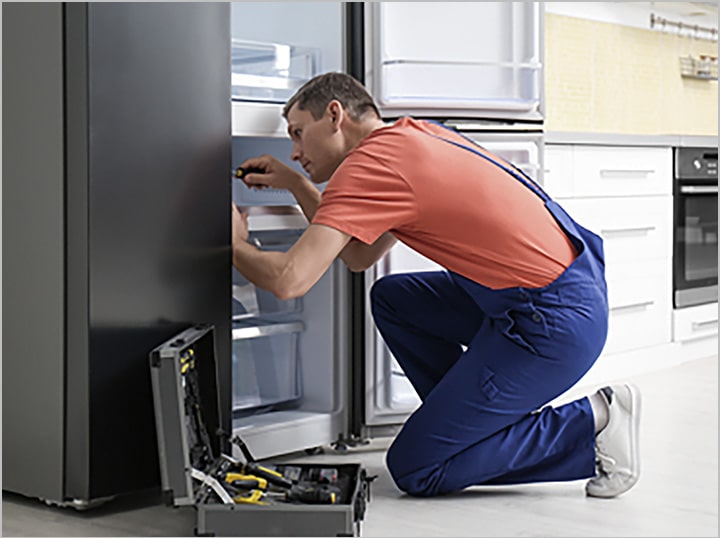
Fridge Is Not Cooling Properly
Check that the temperature has not been accidentally changed and that air vents inside the fridge are not blocked by food. Make sure the door closes properly and inspect the door seal for obvious damage.
If the appliance continues to struggle with cooling, professional diagnosis may be necessary. Refrigeration faults can involve sensors, fans, compressors or sealed-system components, depending on the model.
Fridge Is Making Unusual Noises
Some operating sounds are normal, including compressor and fan noises. However, a sudden change in sound, persistent clicking or loud mechanical noise may indicate a developing fault.
Common Microwave Problems
Microwaves can develop faults such as failure to heat, unusual noises, display problems or failure to start.
Microwave Runs but Does Not Heat
If the microwave operates but food remains cold, the fault may involve internal components that should not be accessed by an unqualified person.
Microwave ovens can contain high-voltage components, so internal repair should be left to an appropriately qualified technician. Do not attempt to bypass safety switches or dismantle the appliance simply to investigate the problem.
What Should You Check Before Calling a Repair Technician?
For many common appliance problems, a few basic checks can help determine whether the issue is straightforward:
- Check the power supply – Make sure the appliance is receiving power.
- Check the controls – Confirm the correct programme, temperature or function is selected.
- Check doors and lids – Some appliances will not operate unless they are properly closed.
- Inspect accessible filters – Blocked filters can affect washing, drying and drainage performance.
- Look for visible leaks – Stop using the appliance if water is reaching electrical components.
- Check the manufacturer’s manual – Error codes and troubleshooting steps vary by model.
- Record the fault – Note unusual sounds, error codes, when the problem occurs and what you have already checked.
If an appliance has damaged wiring, burning smells, smoke, sparks or signs of electrical damage, stop using it. Australian product-safety guidance emphasises safe use of household products, while electrical-safety authorities advise against touching damaged electrical equipment and recommend professional assistance where electrical hazards are present.
When Should You Call a Professional?
Basic troubleshooting is useful, but it cannot identify every fault. Consider arranging professional assistance when:
- The appliance repeatedly trips a circuit or safety switch
- There is a burning smell, smoke or sparking
- The appliance has exposed or damaged wiring
- The appliance leaks continuously
- An error code keeps returning
- The appliance makes abnormal mechanical noises
- Heating or cooling performance remains poor
- A fault requires electrical components to be tested or replaced
Professional diagnosis can also help determine whether repairing an appliance makes sense compared with replacing it.
Professional Appliance Repairs in Sydney
If troubleshooting does not solve the problem, Best Repairs provides appliance repair and installation services across Sydney. The company works with major household appliances including ovens, dishwashers, washing machines, dryers, fridges, microwaves, air conditioners, cooktops and rangehoods. Best Repairs also services residential and commercial customers and works with major brands.
The company states that its service includes transparent diagnosis and upfront pricing, with a 12-month parts warranty and 3-month labour warranty.

Conclusion
Knowing how to identify common appliance problems can save time and help you decide whether a simple check is enough or professional assistance is required. Check the power supply, settings, filters, doors and other accessible components first, but never take unnecessary risks with electrical or high-voltage components. When a fault continues, accurate diagnosis is often better than replacing an appliance based on guesswork. For reliable Appliance Repair Services Sydney residents can contact Best Repairs on 02 8322 1000 for professional assistance with major household appliances.
Frequently Asked Questions
1. What are the most common appliance problems?
Common problems include appliances not turning on, poor heating or cooling, drainage issues, leaks, unusual noises, excessive vibration, error codes and problems with doors, seals or controls.
2. Can I troubleshoot an appliance myself?
You can perform basic checks such as checking the power supply, settings, filters, hoses and door closure. However, internal electrical, gas or high-voltage components should be handled by appropriately qualified professionals.
3. Why does my appliance keep stopping during a cycle?
A machine may stop because of an incorrect setting, blocked filter, drainage problem, door-lock issue, overheating, sensor fault or electronic control problem. The exact cause depends on the appliance and model.
4. Should I repair or replace a faulty appliance?
The decision depends on the appliance’s age, condition, repair cost, availability of parts and the nature of the fault. A professional diagnosis can help you make a more informed decision rather than replacing an appliance unnecessarily.
5. When should I contact Sydney Appliance Repairs?
Contact Sydney Appliance Repairs when an appliance repeatedly develops the same fault, stops heating or cooling, leaks, produces unusual noises, displays persistent error codes or shows signs of an electrical problem. Professional diagnosis can identify the cause and determine the appropriate repair.