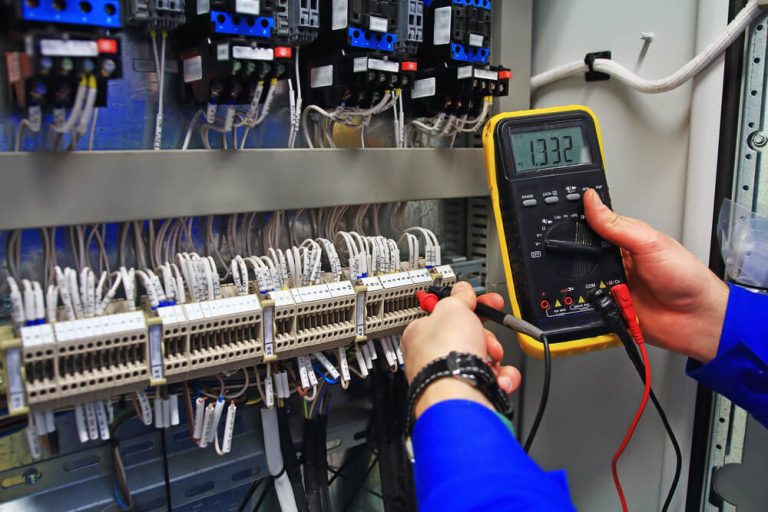

Appliances are designed to make everyday life easier but even reliable washing machines, dishwashers, ovens, refrigerators and dryers can eventually develop faults. In many cases, the entire appliance does not need to be replaced. A worn, damaged or failed component may be all that is required to restore normal operation. Understanding when appliances need replacement parts can help Sydney homeowners make a more informed decision between repairing and replacing an appliance.
If your appliance is showing unusual symptoms, professional diagnosis is often the best starting point. A qualified technician can identify the failed component, check whether a suitable replacement is available and determine whether repairing the appliance is practical. For homeowners looking for Appliance Repairs Sydney, getting the fault assessed before purchasing parts can also help prevent unnecessary spending.
When Do Appliances Need Replacement Parts?
An appliance may need a replacement component when a specific part has failed while the rest of the appliance remains in reasonable working condition.
Common examples include:
- A washing machine with a worn door seal, pump or inlet valve
- A dishwasher with a faulty drain pump, spray arm or water inlet component
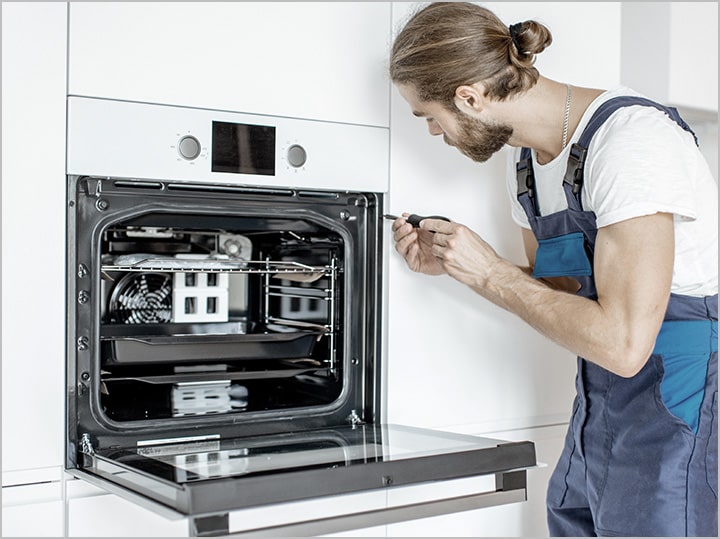
- An oven with a failed heating element, thermostat or fan motor
- A refrigerator with a defective fan, thermostat or door gasket
- A dryer with a worn belt, heating component or thermal control
- A microwave with a faulty door switch or other serviceable component
The important point is that a symptom does not automatically identify the failed part. For example, an oven that is not heating could have an issue with its heating element, thermostat, wiring or control system. Replacing a part without diagnosing the underlying problem can result in wasted money and may not fix the appliance.
7 Signs Your Appliance May Need a Replacement Part
1. The appliance is not performing normally
Poor performance is one of the most common indications that a component may be wearing out.
A dishwasher may leave dishes dirty, a refrigerator may struggle to maintain temperature or a dryer may take much longer than usual to dry clothes. These symptoms can have several causes, so professional diagnosis is recommended before ordering a replacement component.
2. The appliance makes unusual noises
Grinding, rattling, squealing or buzzing sounds can indicate a worn mechanical component.
For example, unusual washing machine noises may be associated with components such as bearings, pumps or other moving parts. A technician can inspect the appliance and determine whether the noise is caused by a replaceable component or a more serious problem.
3. A part is visibly damaged
Cracked seals, broken handles, damaged knobs and deteriorated hoses are obvious examples of components that may require replacement.
Visible damage does not always mean the whole appliance needs to be replaced. In many cases, replacing the affected component can restore usability.
4. The appliance repeatedly stops or displays faults
Repeated shutdowns, error messages or inconsistent operation can indicate an electrical, electronic or mechanical fault.
Modern appliances often contain multiple sensors, control boards and safety components. Instead of replacing random parts, a professional Appliance Repair Technician Sydney homeowners can rely on should diagnose the fault and identify the appropriate repair.
5. Water is leaking
Water leaks from washing machines, dishwashers and refrigerators should not be ignored.
A leaking appliance could have a damaged hose, seal, pump or connection. Continuing to operate it may cause additional damage to the appliance or surrounding property. Turn the appliance off where appropriate and arrange an inspection if the source of the leak is unclear.
6. Heating or cooling is inconsistent
Temperature-related problems are common across ovens, dryers, refrigerators and air conditioners.
If an oven is taking too long to heat or a refrigerator is not maintaining its expected temperature, the problem may involve a specific component. A technician can test the appliance and determine whether replacing a component is appropriate.
7. A component has reached the end of its useful service life
Some parts experience natural wear over time. Door seals, belts, filters and other consumable or mechanical components can deteriorate through regular use.
Replacing a worn part at the right time may prevent a minor problem from developing into a more extensive appliance fault.
Should You Replace the Part or the Entire Appliance?
Knowing when appliances need replacement parts is only part of the decision. You also need to determine whether repairing the appliance makes financial and practical sense.
Consider these factors:
Age and overall condition
An older appliance with multiple faults may not be a good candidate for extensive repairs. However, age alone does not automatically mean replacement is the best option.
Cost of the repair
Compare the expected repair cost with the price of a suitable replacement appliance. Consider the cost of installation and disposal as well, rather than looking only at the purchase price.
Availability of replacement parts
Parts availability is an important consideration. Under Australian Consumer Law, manufacturers or importers generally have obligations relating to spare parts and repair facilities for a reasonable period after purchase, subject to the applicable consumer guarantees.
Energy and water efficiency
A newer appliance may offer improved efficiency. Australian Government guidance notes that appliances can account for around 30% of household energy use, while Energy Rating Labels allow consumers to compare energy consumption between appliances.
For an older appliance that consumes considerably more energy or water, replacement may make more sense in the long term.
Why Genuine Appliance Replacement Parts Matter
The right replacement component needs to match the appliance and its specifications. Using an unsuitable component can affect performance, reliability and safety.
When arranging a repair, ask the technician:
- What part has failed?
- Is the replacement compatible with the appliance model?
- Is the component genuine or an appropriate quality replacement?
- Is the part covered by a warranty?
- Are there other underlying faults that should be addressed?
Best Repairs states that its Sydney appliance repair service covers major appliances and offers a 12-month parts warranty and 3-month labour warranty. The company services appliances including ovens, dishwashers, washing machines, fridges and air conditioners.
Don’t Replace Appliance Parts Without Proper Diagnosis
DIY part replacement can sometimes appear straightforward, particularly when a replacement component is readily available online. However, appliances can contain electrical connections, heating elements, moving components and safety systems.
NSW Government guidance states that DIY electrical work is dangerous and illegal and that electrical installation work must be carried out by a licensed electrician.
For this reason, avoid opening or modifying electrical appliances if you are not suitably qualified. A professional inspection can identify the actual fault and reduce the risk of installing an incorrect component.
How a Professional Appliance Repair Works
When you contact a repair service, the process will generally involve several steps:
- Initial assessment: You explain the symptoms, appliance type and model where available.
- Fault diagnosis: The technician checks the appliance and investigates the likely cause.
- Part identification: If a component has failed, the appropriate replacement is identified.
- Repair: The faulty component is replaced or repaired where appropriate.
- Testing: The appliance is checked to confirm that it is operating correctly.
- Advice: You may receive recommendations for maintenance or future servicing.
This approach is more reliable than replacing parts based solely on symptoms.
When Is Appliance Replacement a Better Option?
Replacement may be worth considering when an appliance has several major faults, repair costs are excessive, suitable parts are unavailable, or the appliance is significantly less efficient than modern alternatives.
You should also check whether the appliance is subject to a product recall or whether consumer guarantees apply. The ACCC advises consumers to check for recalls when dealing with an unsafe product, while Australian Consumer Law may provide rights to repair, replacement or refund depending on the circumstances.
In other situations, replacing one failed component can be considerably more practical than purchasing an entirely new appliance.
Why Choose Best Repairs for Appliance Repairs in Sydney?
Best Repairs provides appliance repair and installation services for residential, commercial and facilities-management customers across Sydney. Its technicians work with major appliance categories and brands, with a focus on professional diagnosis, upfront pricing and quality workmanship. The company also promotes same-day service where available and provides warranty coverage on parts and labour.
Whether your appliance has stopped working, is making unusual noises, leaking or performing poorly, a professional assessment can help determine whether a replacement component or a complete appliance replacement is the better option.

Conclusion
Knowing when appliances need replacement parts can help you avoid replacing an otherwise serviceable appliance unnecessarily. Faulty seals, pumps, heating elements, belts, valves, fans and other components can often be replaced when the appliance itself remains in good condition. However, the correct part should be identified through proper diagnosis rather than guesswork.
If you’re experiencing an appliance problem in Sydney, professional Appliance Repairs Sydney can help identify the cause and determine the most practical repair solution. Best Repairs provides Professional Appliance Repair Services for major household and commercial appliances, helping customers make informed decisions about repairs and replacements.
For assistance, contact Best Repairs on 02 8322 1000 or visit the service centre at 8/110-116 Bourke Rd, Alexandria NSW 2015.
Frequently Asked Questions
1. How do I know if my appliance needs a replacement part?
Common signs include unusual noises, leaking, poor performance, error codes, inconsistent heating or cooling, and visible damage to a component. A technician should diagnose the appliance before a replacement part is ordered.
2. Is it cheaper to replace an appliance part or buy a new appliance?
It depends on the appliance’s age, condition, repair cost, parts availability and energy efficiency. If the appliance is otherwise in good condition and only one component has failed, repairing it may be more practical than replacing the entire appliance.
3. How long do appliance replacement parts usually last?
The lifespan varies significantly depending on the component, appliance, usage and quality of the replacement part. Mechanical parts that experience frequent movement or heat can experience more wear than less frequently used components.
4. Can I replace appliance parts myself?
Some simple maintenance tasks may be suitable for homeowners, but electrical appliance repairs should not be attempted without the appropriate qualifications. NSW Government guidance warns that DIY electrical work is dangerous and illegal.
5. Do you provide Small Appliance Repairs Sydney services?
Yes, if you need Small Appliance Repairs Sydney, it is best to first confirm whether the appliance is suitable for professional repair and whether replacement parts are available. A technician can assess the fault and advise whether repairing the appliance is practical compared with replacement.