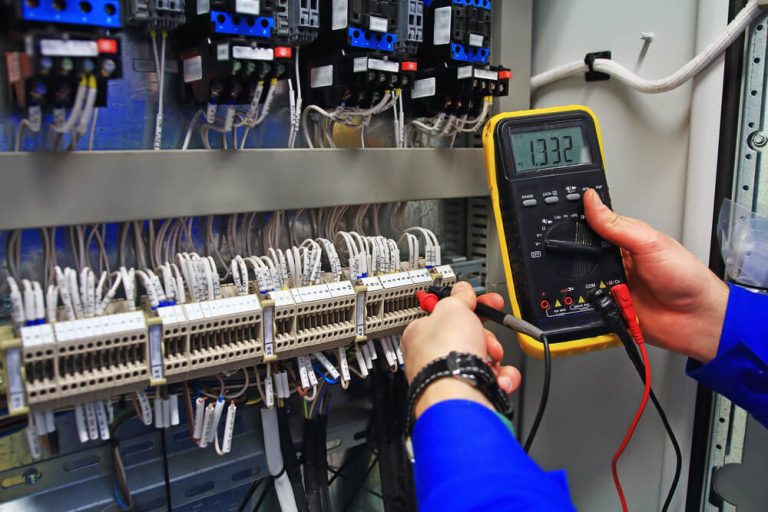

A Dishwasher Making Unusual Noises can be concerning, especially when the sound is louder than normal or suddenly appears during a wash cycle. While some dishwasher sounds are completely normal, unusual grinding, rattling, knocking, buzzing or roaring noises can indicate an obstruction, incorrectly loaded dishes, a pump problem or another mechanical fault. If you need reliable Dishwasher Repairs Sydney, understanding what the noise means can help you identify when professional assistance is required.
Modern dishwashers naturally produce sounds as water enters the appliance, spray arms rotate, pumps operate and water drains. Whirlpool, Bosch and Frigidaire all note that certain humming, swishing, hissing and clicking sounds can be part of normal operation. However, a significant change in sound or a persistent loud noise should not be ignored.
Dishwasher Noises and What They Mean
Common Dishwasher Noises and What They Mean
The type and timing of the sound can provide useful clues about what is happening inside your dishwasher.
Humming or buzzing: A low humming sound may come from the wash or drain pump and can be normal during certain stages of the cycle. Whirlpool specifically identifies humming from the drain pump as a normal operating sound.
Swishing or whooshing: Water being sprayed through the rotating spray arms commonly creates a swishing sound. This normally changes as the spray arms alternate between positions.
Hissing: A short hissing sound can occur when the water inlet valve allows water into the dishwasher. Whirlpool identifies periodic hissing from the water valve as normal.
Clicking or snapping: The detergent dispenser may make a click or snap when it releases detergent during the programme.
Grinding: A loud grinding noise may indicate a foreign object, such as broken glass, hard food debris or another small item, has entered the pump area. Bosch recommends checking the pump when unusual grinding occurs.
Knocking or rattling: This can happen when a utensil or dish interferes with the spray arm. Lightweight items can also move around during the cycle and create rattling sounds.
Dishwasher Making Noise When Starting
If your Dishwasher Making Unusual Noises starts immediately when the programme begins, listen carefully to determine whether the sound occurs during filling, washing or draining.
A short hiss or rushing-water sound during filling can be normal. A brief click may also occur as valves or other components operate. However, a loud squealing, grinding or repeated knocking sound at start-up may require further investigation.
Before assuming there is a mechanical fault, check that the dishwasher is correctly loaded. Tall plates, pans or utensils can interfere with the spray arm as soon as circulation begins. Remove or reposition anything that could obstruct the arm.
If the noise continues with an empty dishwasher, the water inlet system, circulation pump or another internal component may need professional inspection.
Dishwasher Making Noise When Running
A Dishwasher Making Unusual Noises throughout the wash cycle may have an issue involving the spray arms, pump, filter, impeller or motor.
First, switch the dishwasher off and inspect the visible areas for food debris or objects that may have fallen through the filter. Clean the filter according to the manufacturer’s instructions and make sure the spray arms can rotate freely.
A persistent grinding, chattering or increasingly loud humming noise can be more significant. Frigidaire’s repair guidance identifies circulation-pump bearings, wash impellers, drain pumps and drain impellers among components that can contribute to dishwasher noise when faulty.
Dishwasher Sounds Like a Helicopter – What Causes It?
If your dishwasher sounds like a helicopter, the noise is usually described as a loud roaring, droning or rapidly repeating sound rather than a normal water-spraying noise.
Possible causes include:
- A circulation pump or motor developing worn bearings
- A damaged or obstructed impeller
- Debris inside the pump area
- A faulty drain pump
- Excessive vibration from the appliance
- Components transmitting vibration into surrounding cabinetry
Whirlpool’s appliance-parts guidance associates a roaring or “freight-train” sound during washing with possible circulation-pump motor bearing problems.
If the sound is suddenly much louder than it was previously, stop using the appliance if necessary and arrange a professional diagnosis rather than continuing to operate it repeatedly.
Bosch Dishwasher Unusual Noises – Common Causes
Bosch Dishwasher Unusual Noises From the Pump or Spray Arms
Bosch dishwasher unusual noises can have several causes, and Bosch itself notes that some unusual sounds are relatively easy to resolve. Buzzing can occur as water is forced towards the drain, while grinding may be associated with a foreign object inside the pump.
Start by checking whether the dishwasher has been loaded correctly. Make sure utensils, pans and large plates are not preventing the spray arms from rotating.
If the dishwasher produces a grinding sound, inspect the filter and pump area for accessible debris, following the instructions for your specific model. Avoid forcing components or dismantling electrical or sealed parts unless you are qualified to do so.
Bosch Dishwasher Making Grinding, Humming or Rattling Sounds
For Bosch dishwasher unusual noises, the timing of the sound is important.
- Grinding: May indicate debris or a foreign object near the pump.
- Humming: Can be associated with normal pump operation, particularly during draining.
- Rattling: May result from dishes or utensils moving during the cycle.
- Knocking: The spray arm may be contacting an item in the dishwasher.
If the sound remains after correcting the load and cleaning accessible areas, professional diagnosis is recommended. Bosch advises against attempting repairs yourself when the problem persists.
Whirlpool Dishwasher Unusual Noises – Causes & Solutions
Whirlpool Dishwasher Unusual Noises During the Wash Cycle
Whirlpool dishwasher unusual noises should first be compared with the sounds normally produced during different cycle stages.
Whirlpool explains that rushing water, humming and swishing can all be normal. The wash phase may produce rhythmic water sounds as the spray arms rotate, while the drain pump can create a humming noise as water is removed.
If the dishwasher suddenly becomes louder, inspect the loading arrangement. Lightweight plastic items, cutlery and cookware can move during washing and create rattling or clattering sounds.
Checking the Pump, Spray Arms and Loose Components
If rearranging the load does not resolve the Whirlpool dishwasher unusual noises, the pump and spray-arm system may require inspection.
Check that:
- The spray arms rotate without obstruction.
- The filter is clean and correctly positioned.
- There are no obvious foreign objects in accessible areas.
- Dishes are securely positioned in the racks.
- The dishwasher is not vibrating excessively against surrounding cabinets.
Whirlpool also recommends checking installation factors such as levelling, mounting and the presence of insulation or the toe-kick panel, as these can affect how much operating noise is transmitted into the kitchen.
Find Out What Dishwasher Noises Mean: Dishwasher Making Noise? 6 Common Sounds Explained & Fixed | Australian Guide
Frigidaire Dishwasher Unusual Noises – Diagnosis & Repair
Frigidaire Dishwasher Unusual Noises When Starting or Running
Frigidaire dishwasher unusual noises can often be identified by matching the sound with the stage of operation. Frigidaire’s noise guide lists hissing from the water valve, humming from the wash pump, humming from the drain pump, clunking from the detergent dispenser and spray-arm sounds as examples of noises that can occur during normal operation.
A knocking or banging noise, however, can occur when a dish, pan or utensil interferes with the spray arm. Frigidaire recommends checking the load when this happens.
If the noise continues with an appropriately loaded appliance, the circulation pump, wash impeller, drain pump or motor assembly may need examination.
How to Reduce Dishwasher Noise and Prevent Future Problems
Knowing how to reduce dishwasher noise can help prevent minor problems from becoming more serious.
Try these practical steps:
- Load dishes securely: Prevent plates, pans and utensils from moving during the cycle.
- Keep spray arms clear: Make sure nothing blocks their rotation.
- Clean the filter regularly: Food debris can affect water flow and contribute to pump problems.
- Check for foreign objects: Broken glass, bones or hard food particles can enter accessible pump areas.
- Keep the dishwasher level: An improperly installed or unstable appliance can transmit additional vibration.
- Avoid overloading: Crowded racks can cause dishes to strike each other.
- Follow the manufacturer’s instructions: Cleaning and maintenance procedures vary by model.
Whirlpool notes that dishwasher construction, insulation, tub material, water flow and installation can all influence perceived noise.
If your dishwasher continues making abnormal sounds after these checks, professional diagnosis is the safest option. Repeated operation with a suspected pump or motor fault can potentially lead to further component damage.
When Should You Call a Dishwasher Repair Professional?
Not every dishwasher sound means the appliance needs repair. A gentle hum, water swishing, occasional valve noise or detergent-dispenser click may simply indicate normal operation.
Professional assistance is more appropriate when:
- The noise is suddenly much louder than before.
- Grinding or roaring continues throughout the cycle.
- The dishwasher vibrates excessively.
- The appliance makes a repeated knocking sound despite correct loading.
- The dishwasher is not cleaning or draining properly alongside the noise.
- Water is leaking from the appliance.
- The pump appears to be struggling or making an increasingly loud sound.
- The noise returns after cleaning the filter and checking the spray arms.
A technician can inspect the pump, motor, impeller, spray arms, drain system and other components to determine whether cleaning, adjustment, component repair or replacement is appropriate.

Conclusion
A Dishwasher Making Unusual Noises does not always indicate a serious fault. Humming, swishing, hissing and occasional clicking can be normal parts of the filling, washing, draining and drying processes. However, persistent grinding, roaring, severe rattling or a sudden change in operating noise deserves attention. Start by checking the dishwasher load, spray arms, filter and accessible areas for obvious obstructions. If the unusual noise continues, professional diagnosis can help identify problems with the pump, impeller, motor or drainage system before the issue becomes more costly.
For reliable professional dishwasher repair services in Sydney, Best Repairs can help diagnose dishwasher faults and recommend an appropriate repair solution. For assistance, contact Best Repairs on 02 8322 1000.
Frequently Asked Questions
1. Why is my dishwasher making an unusual grinding noise?
A grinding noise can be caused by a foreign object or food debris entering the pump area. It can also be associated with a damaged impeller or pump component. If cleaning accessible areas does not resolve the noise, professional inspection may be required.
2. Is humming noise normal in a dishwasher?
Yes, a low humming sound can be normal when the wash or drain pump is operating. The important factor is whether the sound is consistent with the appliance’s normal operation or has suddenly become unusually loud.
3. Why does my dishwasher make a loud rattling noise?
Rattling can occur when dishes, cutlery or lightweight items move during the wash cycle. A spray arm can also strike an incorrectly positioned item. Rearranging the load and checking that the spray arms rotate freely can often resolve the problem.
4. How can I make my dishwasher quieter?
To reduce dishwasher noise, load dishes securely, keep spray arms unobstructed, clean the filter regularly and ensure the dishwasher is correctly levelled and installed. Excessive vibration can also make normal operating sounds seem louder.
5. Can unusual noise be related to Dishwasher Not Draining Water Out?
Yes. If unusual humming, buzzing or grinding occurs while the dishwasher is attempting to drain and water remains inside, the drain pump, impeller or drainage path may require inspection. A blocked or faulty drainage component can affect both the dishwasher’s noise and its ability to remove water properly. Bosch and Frigidaire both identify the drain pump and related components as potential sources of unusual dishwasher sounds.