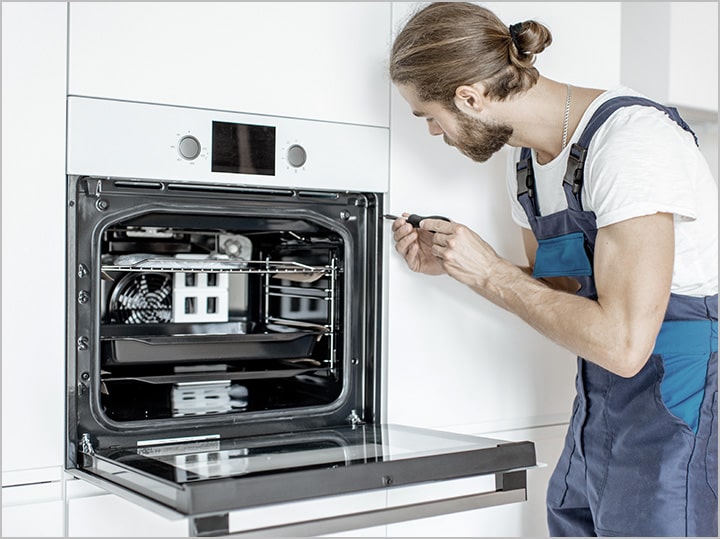

Common ASKO oven problems can disrupt your daily routine, especially when your oven stops heating properly, takes too long to cook food or displays an unexpected error. Although ASKO ovens are designed for reliable cooking performance, they can develop faults due to regular use, component wear or electrical issues. Understanding these problems can help you identify what to check before arranging a repair. While some issues may be related to settings or routine maintenance, others require professional diagnosis. If your oven continues to malfunction, our Oven Repairs Sydney service can help identify the cause and determine a suitable solution.
In this guide, we explore common ASKO oven faults, practical troubleshooting steps, their possible causes and when to contact an experienced technician for professional assistance.
What Are the Most Common ASKO Oven Problems?
Oven faults can produce similar symptoms even when their underlying causes are different. An oven that fails to heat, for example, may have a faulty heating element, a temperature sensor issue or an electrical problem. Identifying the symptoms is a useful first step but an accurate diagnosis may require professional testing.
1. ASKO Oven Is Not Heating Properly
An oven that remains cold or struggles to reach the selected temperature can make cooking frustrating. You may notice that meals take longer than usual, food cooks unevenly or the oven never seems to become hot enough.
Possible causes include:
- A damaged heating element.
- A faulty temperature sensor or control component.
- Incorrect cooking settings.
- An electrical supply problem.
Start by checking that you have selected the correct cooking function and temperature. If the oven is still not heating, avoid removing panels or attempting to test internal components yourself. A technician can inspect the heating system and determine which part, if any, needs attention.
2. The Oven Takes Too Long to Heat Up
Long preheating times do not always mean the oven has failed completely. A weakening heating element, temperature control issue or other internal fault may prevent the appliance from reaching the required temperature efficiently.
First, check the recommended preheating instructions in your owner’s manual. Make sure the selected cooking mode is appropriate for the food you are preparing.
If preheating consistently takes much longer than usual or cooking results have changed noticeably, arrange an inspection rather than compensating by continually increasing the temperature. Excessive heat settings may affect cooking quality without addressing the underlying problem.
3. ASKO Oven Temperature Is Inaccurate
Does your food burn on the outside while remaining undercooked in the middle? Or do recipes take significantly longer than expected?
These symptoms may indicate inaccurate temperature regulation. A temperature sensor, control system or heating component could be responsible. However, cooking results can also be affected by incorrect rack placement, unsuitable cookware or opening the oven door frequently.
Check your cooking method and compare it with the manufacturer’s recommendations. If temperature inconsistencies continue across different dishes, a qualified technician can assess whether the oven is maintaining the correct temperature.
4. The Oven Fan Is Not Working
Many ovens use a fan to circulate hot air during particular cooking functions. If the fan stops operating, you may experience uneven cooking, longer preparation times or unusual noises.
Possible reasons include a faulty fan motor, an obstruction or an electrical component failure.
Before investigating, switch the appliance off and allow it to cool completely. Check the manual to understand which functions should activate the fan, as fan operation varies between models and cooking modes.
If the fan remains inactive when it should be running, or produces grinding or scraping sounds, arrange professional assistance. Do not reach into the fan assembly or remove protective covers.
5. The Oven Door Will Not Close Properly
A door that does not seal correctly allows heat to escape, affecting cooking performance and potentially creating a burn hazard.
Common causes include damaged hinges, a worn door seal, an obstruction or a door that has become misaligned.
Once the oven has cooled, inspect the visible seal and door area for food debris or obvious damage. Clean the accessible surfaces according to the manufacturer’s instructions.
If the hinges appear bent, the door hangs unevenly or the seal is damaged, avoid forcing it closed. A technician can determine whether the door mechanism or seal requires adjustment or replacement.
6. The Display Is Blank or an Error Message Appears
A blank display, unresponsive controls or an error message may indicate a power supply issue or a fault involving the electronic controls or another component.
If the display is blank, check whether other appliances in the home have power. Only inspect the oven’s external power connection if it is safely accessible and there are no signs of electrical damage.
If an error code appears, record the exact message and note when it occurs. Consult the manual for your specific model because error meanings and recommended actions can differ between appliances.
Do not assume that a particular code always identifies one faulty part. If the message returns or the controls stop responding, professional diagnosis is advisable.
7. The Oven Trips the Circuit Breaker
An oven that repeatedly trips a circuit breaker may have an electrical fault, damaged wiring, moisture-related damage or a failing component.
This is not a problem to investigate by repeatedly resetting the breaker. Stop using the appliance and arrange an inspection by an appropriately qualified professional. If you notice smoke, sparks or a burning smell, keep away from the appliance and seek urgent assistance as appropriate.
Electrical faults can pose a serious safety risk, so avoid operating the oven until the cause has been identified.
Explore More: Powerful Ovens
How to Troubleshoot ASKO Oven Faults Safely
Before booking a repair, there are several basic checks you can perform without opening the appliance or handling electrical components.
- Check the cooking settings: Confirm the selected function, temperature and timer are correct.
- Review the owner’s manual: Make sure you are following the instructions for your particular model.
- Check the door: Look for visible obstructions or debris around the door seal once the oven has cooled.
- Record error messages: Write down the code or message to help the technician understand the issue.
- Observe the symptoms: Note whether the oven fails to heat, makes unusual noises or stops working after a certain period.
- Stop using an unsafe appliance: Do not operate the oven if you suspect an electrical fault, smell burning or notice damaged wiring.
Avoid removing the oven’s casing, testing internal wiring or replacing electrical components without the necessary training. Basic troubleshooting can help narrow down the symptoms, but it cannot always identify the faulty part.
What Causes These Oven Faults?
Several factors can contribute to oven problems over time.
Normal component wear: Heating elements, fans, hinges and other moving or electrical components can deteriorate with regular use.
Temperature control issues: A sensor or electronic control fault may affect how the oven regulates heat.
Electrical problems: An unstable supply or damaged internal component can interrupt normal operation.
Door seal deterioration: Heat, repeated opening and closing and general wear can affect the seal’s condition.
Cleaning and maintenance issues: Grease and food residue can accumulate around accessible surfaces and may interfere with normal use if not cleaned appropriately.
Not every fault results from poor maintenance. Some components fail through normal wear, and others require specialist testing to identify the underlying cause.
When Should You Arrange Professional ASKO Oven Repairs Sydney?
Basic checks may resolve a settings issue but persistent faults often require a trained technician. Consider booking a repair if your oven repeatedly fails to heat, cannot maintain its temperature, displays recurring error messages or develops a problem with its fan or door mechanism.
Professional Oven Repairs Sydney services can help establish whether the issue involves a replaceable component, the control system or another part of the appliance.
When arranging a repair, provide the oven’s model number, describe the symptoms and mention any error codes. This information can help the technician prepare for the appointment and assess which parts or tests may be needed.
The cost of a repair depends on the fault, labour required, parts availability and the overall condition of the oven. If the appliance is older or needs an expensive replacement component, compare the estimated repair cost with the price of a suitable replacement before making a decision.
For Sydney homeowners, Best Repairs provides appliance repair services across the local area, with same-day appointments where available. Ask about the diagnosis, expected costs and applicable parts and labour warranty before approving the work.
How to Keep Your ASKO Oven in Good Condition
Regular care can help maintain cooking performance and make potential faults easier to notice.
- Clean the interior according to the manufacturer’s recommendations.
- Remove food spills when it is safe to do so and the oven has cooled.
- Avoid abrasive products or cleaning methods that could damage surfaces.
- Inspect the visible door seal periodically for wear or damage.
- Follow the recommended instructions for preheating and cooking functions.
- Keep any accessible ventilation areas clear as directed by the manual.
- Arrange professional attention if performance changes persist.
Always follow the cleaning and maintenance instructions for your exact model. Not every ASKO oven uses the same features or cleaning system, so avoid applying advice intended for a different model.
Why Choose Best Repairs for Oven Repairs in Sydney?
When an oven stops working, you need a clear explanation of the problem and practical advice about the next steps. Best Repairs assists Sydney customers with appliance repairs and installation services for a range of brands and models.
The service focuses on diagnosing the fault, explaining the proposed repair and identifying suitable replacement parts where required. Genuine parts can be used where available and appropriate and customers can ask about the applicable warranty before work begins.
Same-day appointments may be available depending on technician schedules and location. Providing your appliance’s brand, model and symptoms when booking can help the team understand your requirements.
Whether your oven has a heating issue, a faulty fan or a persistent error message, an appropriate diagnosis is the first step towards deciding whether repair is worthwhile.

Conclusion
ASKO ovens can develop a range of faults, from slow heating and inaccurate temperatures to fan problems, damaged door seals and electronic errors. Although checking settings and consulting the owner’s manual can help with simple issues, persistent or potentially dangerous faults should be assessed by a qualified professional.
Pay attention to changes in cooking performance, record any error messages and avoid attempting internal electrical repairs yourself. Early diagnosis can help you understand the available repair options and make an informed decision about your appliance.
If your oven is not performing as it should, Best Repairs can help you explore suitable repair options. Visit our Oven Repairs Sydney service page to learn more or arrange assistance for your appliance.
Frequently Asked Questions
1. Why is my ASKO oven not heating up?
An oven may fail to heat because of a damaged heating element, a temperature sensor fault, incorrect settings or an electrical problem. Check the selected cooking function and temperature first. If the problem continues, arrange a professional inspection.
2. Can I fix an ASKO oven error code myself?
Some error messages relate to settings or operating conditions, while others indicate a fault that requires technical attention. Record the exact code and consult the manual for your model. Avoid opening the appliance or attempting electrical repairs yourself.
3. How much does ASKO oven repair cost in Sydney?
The price depends on the fault, diagnostic requirements, labour and replacement parts. A technician can provide a more accurate estimate after assessing the appliance. It is sensible to compare the repair estimate with the oven’s age and replacement cost.
4. Is it worth repairing an ASKO oven?
Repair may be worthwhile if the appliance is in good overall condition and the fault can be resolved at a reasonable cost. Consider its age, the price of replacement parts, the estimated repair cost and the expected remaining service life before deciding.
5. Where can I get professional oven repairs in Sydney for brands such as ASKO and ILVE?
Best Repairs provides oven repair services in Sydney for a range of appliance brands. If you need assistance with an ASKO model or are searching for Ilve Oven Repairs Sydney, contact the team to confirm service availability for your particular appliance and fault.