
When your freezer suddenly stops working properly in Sydney’s variable climate, it can quickly turn into a costly nightmare with spoiled food and emergency grocery runs. Freezer repairs don’t always require expensive professional callouts – many common problems can be diagnosed and fixed with basic tools and systematic troubleshooting. Understanding these problems before they escalate can save Sydney households hundreds of dollars in food waste and repair bills. In fact, fridges and freezers account for around 10% of household energy bills in Australia (source), making proper maintenance not only practical but essential for saving on utilities.
The average household freezer operates for 10-20 years, but Sydney’s humidity and temperature fluctuations can accelerate wear on critical components. From Bondi to Parramatta, homeowners face similar freezer problems that follow predictable patterns. Whether you’re dealing with a standalone chest freezer in your Surry Hills apartment or the freezer compartment of your family refrigerator in the Western suburbs, most issues share common solutions that don’t require professional intervention.
Top 5 Freezer Repair Issues Sydney Homeowners Face
1. Refrigerator Not Cooling Properly
These urgent issues require immediate attention to prevent food spoilage. Symptoms include soft ice cream, thawing frozen vegetables, smaller ice cubes, and noticeably warmer interior temperatures. Food packages may show condensation, and previously rock-solid frozen items feel soft to the touch.
Primary causes include:
- Dirty condenser coils reduce heat dissipation efficiency
- A faulty thermostat is failing to maintain proper temperature control
- Blocked air vents are preventing adequate circulation
Solutions: Clean condenser coils every six months using a vacuum or specialized coil brush. Test thermostat responsiveness and replace if malfunctioning. Rearrange stored items, ensuring proper airflow around vents and shelves. For persistent cooling issues, consider professional appliance repairs in Sydney services that specialize in refrigeration systems.
2. Excessive Frost Build-Up
Thick ice layers forming on the ceiling, walls, and food packages indicate airflow problems. This reduces storage space significantly and forces your freezer to work harder, increasing electricity bills. Ice formation around door seals and blocked air vents is a telltale symptom requiring prompt attention.
Common causes:
- Broken door gasket allowing humid Sydney air infiltration
- Frequent door opening introduces warm, moist air
- Malfunctioning defrost system components
Repair steps: Replace damaged door seals with properly fitted gaskets designed for your model. Minimize door openings and reduce time spent accessing frozen items. Inspect defrost heater and timer components, replacing faulty parts as needed.
3. Unusual Operational Noises
While some operational sounds are quite normal, unusual noises often indicate developing mechanical problems. Listen for loud humming, rattling during compressor operation, grinding sounds from internal components, repetitive clicking, squealing, or irregular fan motor sounds.
Typical causes:
- Loose components vibrating against the freezer frame
- Worn evaporator fan motor bearings
- Compressor internal wear or refrigerant issues
Fixes: Tighten screws and secure panels eliminating vibration sources. Replace fan motors showing bearing wear or debris accumulation. If you have a Samsung fridge and you are facing compressor-related noises, then consult Samsung fridge repairs in Sydney specialists or other brand-specific technicians, as these require professional expertise.

4. Water Leakage Problems
Water puddles around your freezer indicate drainage issues requiring immediate attention to prevent floor damage. Symptoms include continuous dripping, wet spots on nearby surfaces, water stains beneath the appliance, and moisture accumulation in unexpected areas.
Root causes:
- Frozen or clogged defrost drain, preventing proper drainage
- Cracked drain pan unable to contain defrost water
- Blocked drain tube causing water backup and overflow
Resolution methods: Clear drains using warm water and pipe cleaners or wire tools. Replace cracked drain pans with compatible replacements. Flush drain tubes thoroughly, removing accumulated debris and blockages.
Read Also: – Complete Guide on Smart Kitchen Appliance Installation in Sydney
5. Continuous Operation Cycles
Freezers running constantly without cycling off indicate efficiency problems that dramatically increase electricity costs. The symptoms include continuous humming throughout day and night, excessive cooling, non-stop motor operation, and significantly higher power bills.
Contributing factors:
- A faulty door gasket is allowing heat infiltration
- Incorrect thermostat settings are causing overcooling
- Dirty condenser coils are forcing the compressor over time
Corrective actions: Replace gaskets, ensuring proper door sealing. Adjust the thermostat to the recommended 0°F (-18°C) setting. Clean condenser coils improve heat dissipation efficiency and reduce operational strain.
Essential Preventive Maintenance for Sydney Freezers
-
Regular Coil Cleaning
Schedule coil cleaning every six months, or more frequently during Sydney’s dusty spring months. This simple maintenance significantly improves efficiency and extends appliance lifespan. Use appropriate tools, avoiding damage to delicate coil fins.
-
Monthly Door Seal Inspections
Check gaskets for wear, cracking, or food debris that prevents proper sealing. Clean seals using mild soap and water, avoiding harsh chemicals that damage rubber components. Early detection prevents DIY refrigerator repair emergencies.
-
Strategic Defrosting
Manual defrost freezers require regular attention to prevent excessive ice accumulation. Plan defrosting sessions when food levels are minimal, using this opportunity for thorough interior cleaning and issue identification.
-
Temperature Monitoring
Don’t rely solely on built-in indicators. Independent thermometers provide accurate readings alerting you to problems before they become serious. Maintain ideal freezer temperature at 0°F (-18°C) or slightly below.
-
Proper Organization
Ensure adequate airflow by leaving space around vents and avoiding overpacking. Use storage bins to keep items organized and accessible while maintaining proper air circulation throughout the compartment. If you’re considering upgrading to a more efficient model, professional appliance installations in Sydney can ensure optimal placement and setup for maximum performance.
When Professional Appliance Repairs Become Necessary
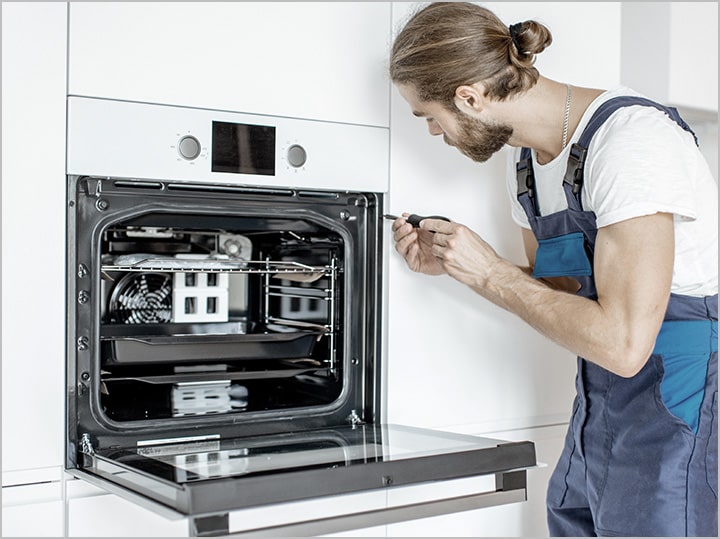
While many freezer not working situations are manageable through DIY approaches, certain issues require professional expertise. Compressor problems, refrigerant leaks, and complex electrical malfunctions need specialized tools and training. Attempting these repairs without proper knowledge and understanding can be dangerous and void warranties.
- Fridge repairs in Sydney specialists should handle:
- Compressor replacement or refrigerant system repairs
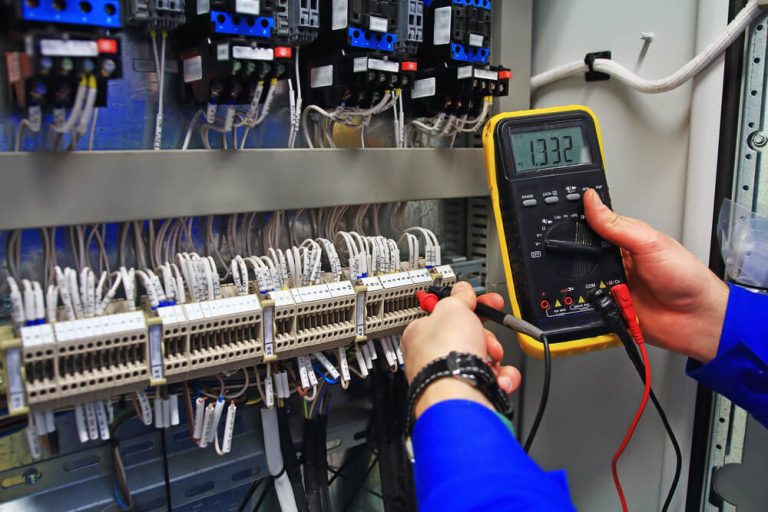
- Electrical issues beyond basic component checks
- Persistent malfunctions despite thorough troubleshooting
- Multiple system failures are occurring simultaneously
Small fridge repairs in Sydney services often provide cost-effective solutions for minor issues, while major appliance failures may require a comprehensive professional assessment.
Related:- Hidden Dangers of DIY Appliance Repair: Why You Should Trust the Professionals
Conclusion
Understanding these common freezer repairs will help Sydney homeowners to address many issues independently, preventing food spoilage and saving money. Regular maintenance, quick attention to warning signs, and knowing when to attempt DIY solutions versus calling professionals ensures optimal freezer performance year-round.
For complex repairs requiring professional expertise, consider reputable appliance installation services in Sydney, like Best Repairs, that also provide comprehensive repair services. These specialists understand local conditions affecting appliance performance and can provide lasting solutions for Sydney’s unique climate challenges.