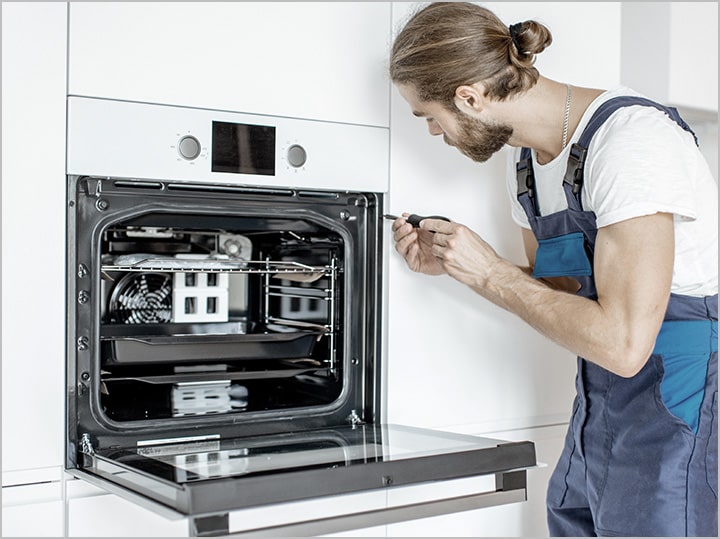
Built-in ovens are an important part of modern kitchens, but like any appliance, they can develop faults over time. A built-in oven may stop heating correctly, cook food unevenly, fail to maintain the right temperature, make unusual noises, have a faulty fan or develop problems with its door, controls or electrical components. Some oven problems are simple to identify, while others require professional inspection to determine the underlying cause. Understanding the most common built-in oven problems can help you recognise when your appliance needs attention and when it is best to contact a qualified technician.
If your oven is no longer working as expected, professional Oven Repairs Sydney can help identify the fault and provide the appropriate repair solution.
Common Built-In Oven Problems
Built-in ovens can experience different mechanical, electrical and heating-related faults. Some problems may appear suddenly, while others develop gradually as components wear out.
1. Built-In Oven Not Heating
One of the most common oven problems is an oven that turns on but does not produce enough heat.
You may notice that:
- The oven remains cold after being switched on.
- Food takes much longer to cook.
- The oven heats inconsistently.
- Food remains undercooked.
- The oven reaches a low temperature but cannot maintain it.
Possible causes include a faulty heating element, thermostat problem, temperature sensor fault, electrical issue or damaged internal component.
A technician can inspect the oven and determine which component is responsible for the heating problem.
2. Oven Heating Unevenly
An oven that heats unevenly can make cooking difficult. Food may be burnt on one side while remaining undercooked on the other.
Uneven heating may be caused by:
- A damaged heating element
- Fan problems
- Temperature sensor faults
- Thermostat issues
- Poor air circulation
- Electrical component faults
Correct diagnosis is important because replacing the wrong component may not resolve the underlying problem.
3. Built-In Oven Fan Not Working
- The fan helps circulate hot air throughout the oven cavity. If the fan stops working, you may experience uneven cooking or longer cooking times.
- A faulty fan motor, damaged fan blade, electrical connection or control component may be responsible.
- If your oven has a fan-assisted cooking function and the fan is not operating, professional inspection can help identify the cause.
4. Oven Temperature Not Accurate
Another common problem is an oven that does not reach or maintain the selected temperature.
For example, you may set the oven to 180°C, but the actual temperature may be significantly higher or lower.
Potential causes include:
- Faulty thermostat
- Temperature sensor problems
- Heating element issues
- Electrical faults
- Control board problems
Incorrect oven temperature can affect cooking results and may indicate that one of the oven’s control or heating components requires attention.
5. Built-In Oven Door Not Closing Properly
- The oven door needs to close securely to maintain the correct temperature.
- If the door is loose, does not close completely or does not seal properly, heat can escape from the oven.
- Common causes include worn door hinges, damaged seals, misalignment or damaged door components.
- A technician can inspect the door mechanism and determine whether adjustment or component replacement is required.
6. Oven Light Not Working
- A faulty oven light may seem like a minor problem, but it can make it difficult to monitor food while cooking.
- The cause could be a blown bulb, faulty light fitting, damaged wiring or another electrical component.
- Before replacing an internal oven component, the appliance should be safely isolated from the power supply.
7. Built-In Oven Making Unusual Noises
Unusual sounds from an oven should not be ignored, particularly if the noise is new or becoming louder.
Possible causes include:
- Fan motor problems
- Loose components
- Damaged fan blades
- Electrical component faults
- Worn mechanical parts
The type of noise and when it occurs can help a technician narrow down the possible cause.
8. Oven Display or Controls Not Working
Modern built-in ovens often use electronic displays and control panels. Problems with these components can prevent the oven from operating normally.
You may notice:
- A blank display
- Buttons not responding
- Incorrect display information
- Error codes
- The oven switching off unexpectedly
These problems may be related to the control board, power supply, wiring or other electronic components.
When Should You Call an Oven Repair Technician?
Not every oven problem should be treated as a DIY repair. Ovens contain electrical components and, depending on the appliance, may also involve gas connections.
Professional inspection is recommended when the oven:
- Does not heat
- Overheats
- Produces inconsistent temperatures
- Stops working during cooking
- Displays an error code
- Has electrical problems
- Makes unusual noises
- Has a damaged door or seal
- Repeatedly trips the circuit breaker
- Has a persistent fault after basic checks
If you need professional assistance, you can learn more about our Oven Repairs Sydney service and the repair solutions available for different oven faults.
Built-In Oven Fault Diagnosis
- Correct diagnosis is one of the most important parts of repairing an oven.
- A similar symptom can have several possible causes. For example, an oven that is not heating could have a heating element problem, thermostat fault, temperature sensor issue, wiring problem or control-board fault.
- For this reason, simply replacing a component without identifying the actual cause may not provide a reliable solution.
- A professional technician can inspect the appliance, assess its symptoms and identify the component or system responsible for the fault before recommending the appropriate repair.
Built-In Oven Repairs for Different Brands
Built-in ovens are available from many manufacturers, and their components and designs can differ significantly.
Professional oven technicians may work with appliances from major brands such as:
- Bosch
- Miele
- Smeg
- ILVE
- Westinghouse
- Fisher & Paykel
- Electrolux
- Omega
- Blanco
- Asko
- Bertazzoni
- BORA
- Whirlpool
- Samsung
- LG
- Haier
The exact repair approach depends on the oven model, fault and condition of its components.
How to Reduce Built-In Oven Problems
Regular care can help maintain your oven and potentially reduce avoidable problems.
Keep the Oven Clean
Excessive grease and food residue can affect components and ventilation. Clean the oven according to the manufacturer’s recommendations.
Avoid Blocking Airflow
If your oven uses a fan-assisted cooking system, make sure cookware does not unnecessarily restrict airflow inside the oven.
Check the Door Seal
Inspect the door seal periodically for visible damage, deterioration or gaps.
Don’t Ignore Unusual Symptoms
If the oven starts heating differently, making unusual noises or displaying an error code, addressing the problem early may help prevent further issues.
Follow the Manufacturer’s Instructions
Always follow the manufacturer’s operating, cleaning and maintenance recommendations for your specific oven model.
Why Professional Diagnosis Matters
Built-in oven faults can range from relatively straightforward component issues to more complex electrical or control-system problems. Correct diagnosis helps ensure that the actual cause is addressed rather than simply treating the visible symptom. If your built-in oven is experiencing a persistent fault, a professional technician can assess the appliance and recommend an appropriate repair based on its condition.
For customers who need professional assistance, our professional oven repair service provides diagnosis and repair solutions for different types of oven faults across Sydney.
Conclusion
Built-in oven problems can affect cooking performance, energy use and the overall reliability of your kitchen appliance. Problems such as poor heating, uneven temperatures, fan failure, door issues, unusual noises and control faults should be investigated when they persist. Understanding the symptoms can help you identify a potential problem, but accurate diagnosis is important before replacing components or carrying out repairs.
If your oven is not operating correctly, professional oven repair can provide the inspection and repair assistance needed to identify the underlying fault and restore your appliance to proper working condition.
Frequently Asked Questions
1. What oven issue occurs most often?
Heating problems are among the most common oven faults. Other frequent issues include uneven cooking, incorrect temperature, fan failure, faulty controls, damaged door seals and electrical problems.
2. Which oven brands are popular in Australia?
Popular and well-regarded oven brands in Australia include Bosch, Miele, Smeg, ILVE, Westinghouse, Fisher & Paykel, Electrolux and Asko. The best option depends on your budget, features, cooking needs, warranty and parts availability.
3. What can cause a built-in oven to stop working?
A built-in oven may stop working because of a power supply problem, faulty heating element, thermostat or temperature sensor issue, damaged wiring, control-board fault or another internal component failure. Professional diagnosis can identify the actual cause.
4. How long can an oven typically last?
A quality oven can often last around 10–15 years with proper use and maintenance. Its lifespan depends on the brand, model, frequency of use, maintenance and condition of its components. Timely repairs can also help extend its useful life.
5. What are the most common oven problems in Sydney homes?
Common oven problems in Sydney homes include not heating properly, uneven cooking, inaccurate temperatures, faulty fans, damaged door seals, broken controls and electrical faults. These issues can result from worn heating elements, temperature sensors, thermostats, fan motors or power-related problems. If an oven continues to perform poorly or stops working, professional diagnosis can help identify the underlying fault and determine the appropriate repair.