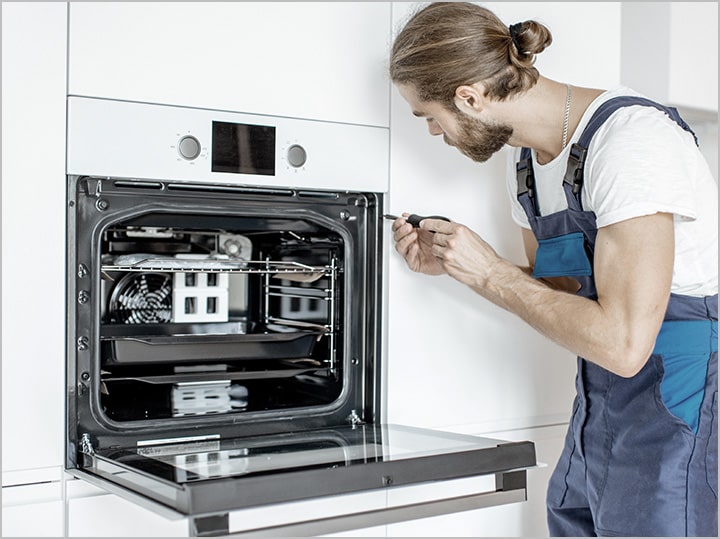
A oven fan not working is one of the most common oven faults homeowners experience. Whether your oven fan has stopped spinning completely, is making unusual noises or is no longer circulating heat properly, the issue can lead to uneven cooking, longer cooking times and disappointing results. Modern fan-forced ovens rely on the fan to distribute hot air evenly throughout the cavity. When the fan fails, your oven may struggle to maintain the correct temperature, leaving food undercooked in some areas and overcooked in others. While some minor issues can be resolved with basic troubleshooting, many oven fan problems require professional diagnosis to ensure safe and effective repairs.
In this guide, we’ll explain the most common reasons an oven fan not working problem occurs, how to troubleshoot the issue safely, when DIY repairs are appropriate and when it’s time to call a qualified appliance technician.
Common Reasons Why Your Oven Fan Is Not Working
Understanding the cause of the problem is the first step towards restoring your oven’s performance.
Faulty Oven Fan Motor
The fan motor is responsible for spinning the fan blade and circulating hot air around the oven cavity. Like any electrical component, it can wear out over time.
Signs of a faulty fan motor include:
- Fan not spinning
- Loud humming or grinding noises
- Burning smell during operation
- Oven heating unevenly
If the motor has failed, replacing it is usually the most effective solution.
Defective Fan Heating Element
In many fan-forced ovens, the heating element works alongside the fan to distribute heat evenly.
If the element becomes damaged, you may notice:
- Cold air blowing from the fan
- Slow preheating
- Uneven baking
- Food taking much longer to cook
A visual inspection may reveal cracks, blistering or burn marks on the element.
Broken Thermostat or Temperature Sensor
Your oven thermostat or temperature sensor monitors the internal temperature and signals the heating elements when to switch on or off.
When these components fail, the oven fan may still operate, but heating performance can become inconsistent.
Common symptoms include:
- Temperature fluctuations
- Oven overheating
- Oven not reaching the selected temperature
- Cooking results becoming unpredictable
Professional testing is usually required to confirm thermostat faults.
Electrical or Wiring Problems
Loose wiring, damaged terminals or electrical faults can interrupt power to the fan motor.
Electrical issues may develop because of:
- Heat damage
- Worn wiring insulation
- Loose electrical connections
- Power surges
Because ovens operate on high-voltage electricity, electrical repairs should always be carried out by experienced technicians.
Control Board or Timer Malfunction
Modern ovens rely on electronic control boards to manage heating functions and fan operation.
A faulty control board may cause:
- Fan not starting
- Fan running continuously
- Error codes
- Random oven shutdowns
Replacing electronic control boards often requires specialist diagnostic equipment.
How to Troubleshoot an Oven Fan That Has Stopped Working
Before arranging repairs, there are several simple checks you can perform safely.
Check the Oven Power Supply
Sometimes the solution is surprisingly simple.
Check that:
- The oven is receiving power
- Circuit breakers haven’t tripped
- Power outlets are functioning correctly
- The oven settings are correct
Resetting the oven may also clear temporary electronic faults.
Inspect the Fan Blade for Obstructions
Grease buildup, food debris or damaged fan blades can prevent normal operation.
Turn off the power before inspecting the fan.
Look for:
- Loose screws
- Bent fan blades
- Grease accumulation
- Foreign objects lodged behind the fan cover
Cleaning accumulated debris may restore normal airflow.
Test the Fan Motor and Capacitor
If the fan attempts to start but doesn’t rotate, the motor or capacitor may be failing.
Common warning signs include:
- Buzzing noises
- Fan moving slowly
- Fan stopping after a few seconds
- Intermittent operation
Testing electrical components requires specialist tools and should only be performed by qualified technicians.
Look for Error Codes or Warning Signs
Many modern ovens display diagnostic error codes when a fault is detected.
Refer to your owner’s manual to identify:
- Fan-related error codes
- Temperature sensor faults
- Control board issues
Recording the error code can help technicians diagnose the problem more quickly.
Reset the Oven and Test Again
Occasionally, electronic control systems experience temporary glitches.
Try:
- Turning off the oven.
- Switching off power at the circuit breaker.
- Waiting five minutes.
- Restoring power.
- Testing the fan again.
If the problem returns, further diagnosis is recommended.
Can You Fix an Oven Fan Yourself?
Some simple maintenance tasks can be completed safely at home, while more complex repairs should be left to professionals.
Simple DIY Fixes You Can Try Safely
You may be able to resolve minor issues by:
- Cleaning grease from the fan cover
- Tightening loose screws
- Removing obstructions
- Resetting the appliance
- Checking the power supply
Always disconnect the oven from electricity before performing any inspection.
When Replacing the Fan Motor Is Necessary
If the motor has failed completely, replacement is often unavoidable.
A professional technician will:
- Confirm the faulty component
- Install a compatible replacement motor
- Test electrical safety
- Verify proper airflow
- Ensure the oven heats evenly
Using genuine replacement parts helps improve reliability and longevity.
Common Mistakes to Avoid During Repairs
Attempting complex oven repairs without the necessary experience can cause additional damage.
Avoid:
- Removing live electrical components
- Using incompatible replacement parts
- Forcing seized fan blades
- Ignoring burning smells
- Continuing to use a faulty oven
These mistakes may increase repair costs or create safety hazards.
When to Stop DIY and Call a Professional
Contact a qualified appliance repair technician if:
- The fan will not turn at all
- The oven trips the power
- You notice sparks
- Burning smells continue
- The oven displays repeated fault codes
- Internal electrical components require replacement
Professional diagnosis ensures safe repairs and helps prevent recurring faults.
Professional Oven Fan Repair Services in Sydney
When troubleshooting doesn’t resolve the issue, professional repairs are often the safest and most cost-effective solution.
Signs You Need Expert Oven Repairs
Professional assistance is recommended when your oven:
- Produces uneven cooking results
- Makes loud mechanical noises
- Takes much longer to preheat
- Stops heating entirely
- Frequently displays electronic errors
- Experiences repeated fan failures
Early repairs often prevent more extensive component damage.
Discover Expert Oven Repair Solutions
Why Choose Professional Oven Fan Repair Technicians
Experienced technicians have the knowledge and equipment to accurately diagnose oven faults.
Professional repairs offer:
- Accurate fault diagnosis
- Genuine replacement parts
- Safe electrical testing
- Faster repairs
- Reliable workmanship
- Reduced risk of future breakdowns
Choosing an experienced repair company can help extend the lifespan of your appliance while restoring safe operation.
If you’re located in Sydney, Best Repairs provides professional appliance repair services for a wide range of oven brands and models, helping homeowners restore their kitchens with minimal disruption.
How Regular Maintenance Prevents Future Fan Problems
Routine maintenance can significantly reduce unexpected breakdowns.
Helpful maintenance tips include:
- Clean grease buildup regularly.
- Avoid blocking ventilation openings.
- Check door seals for wear.
- Remove food debris after cooking.
- Arrange professional servicing if performance declines.
Preventative maintenance helps improve energy efficiency and extends appliance life.
Book Reliable Oven Fan Repair in Sydney Today
A oven fan not working can quickly affect your daily cooking routine, but early diagnosis often prevents more expensive repairs later. Whether the issue involves the fan motor, heating element, thermostat or electronic controls, professional repairs ensure your oven is restored safely and efficiently. If your oven fan has stopped working or your appliance isn’t heating properly, Best Repairs offers reliable oven repair services across Sydney. Our experienced technicians diagnose faults quickly, use quality replacement parts and repair most major oven brands.
Call Best Repairs today on 02 8322 1000 or visit us at 8/110-116 Bourke Rd, Alexandria NSW 2015 to book a professional oven inspection and repair.

Conclusion
An oven fan not working is more than just an inconvenience—it can lead to uneven cooking, wasted energy and further damage if ignored. While simple issues such as grease buildup or a temporary power interruption may be easy to fix, faults involving the fan motor, heating element or electronic control board should be handled by experienced professionals.
Regular maintenance, prompt troubleshooting and professional servicing can help keep your oven operating safely and efficiently for years to come. If you’re experiencing ongoing oven problems, contact Best Repairs Sydney on 02 8322 1000 for fast, reliable and professional oven repair services.
Frequently Asked Questions
1. Why is my oven fan running but there’s no heat?
This usually indicates a faulty heating element, thermostat or control board. Although the fan is circulating air, the oven cannot produce enough heat to cook food properly.
2. Can I still use my oven if the fan isn’t working?
It depends on the oven type. Some conventional ovens can still operate without the fan, but fan-forced ovens rely on proper air circulation. Continued use may result in uneven cooking and could worsen the fault.
3. How much does it cost to repair an oven fan?
The repair cost depends on the faulty component, oven brand and labour required. Replacing a fan motor is generally more affordable than replacing an electronic control board. A professional inspection will provide an accurate diagnosis and quote.
4. What causes an oven fan motor to fail?
Common causes include normal wear and tear, overheating, electrical faults, grease buildup and prolonged use. Regular cleaning and maintenance can help extend the life of the fan motor.
5. Why is my oven temperature not accurate even though the fan is working?
If your oven temperature not accurate issue occurs while the fan is operating normally, the problem is often caused by a faulty thermostat, temperature sensor, damaged heating element or a malfunctioning control board. A professional technician can test these components and restore accurate cooking temperatures.