Oven problems can quickly disrupt everyday cooking, whether your oven is not heating correctly, cooking food unevenly, making unusual noises or showing signs of an electrical or gas fault. For homeowners in Sydney, understanding the common causes of oven problems can help identify minor issues early and determine when professional assistance is required. While some basic maintenance can prevent avoidable faults, more serious electrical, gas or mechanical problems should always be assessed by a qualified oven technician.
This guide explains some of the most common Common Oven Problems in Sydney, their possible causes, basic troubleshooting steps and situations where professional oven repair may be necessary.
Why Understanding Oven Problems Matters
Modern ovens contain several electrical, heating, mechanical and in some models, gas components that work together to maintain the correct cooking temperature and performance. When one component develops a fault, it can affect the entire appliance.
Ignoring an oven problem may lead to poor cooking results, higher energy consumption or further component damage. Electrical faults and gas-related problems can also create safety concerns. Understanding the warning signs allows homeowners to take appropriate action and seek professional assistance when necessary.
Common Oven Problems in Sydney
Sydney homeowners can experience a wide range of oven faults. Some problems are relatively simple, while others require professional diagnosis and repair.
Oven Not Heating
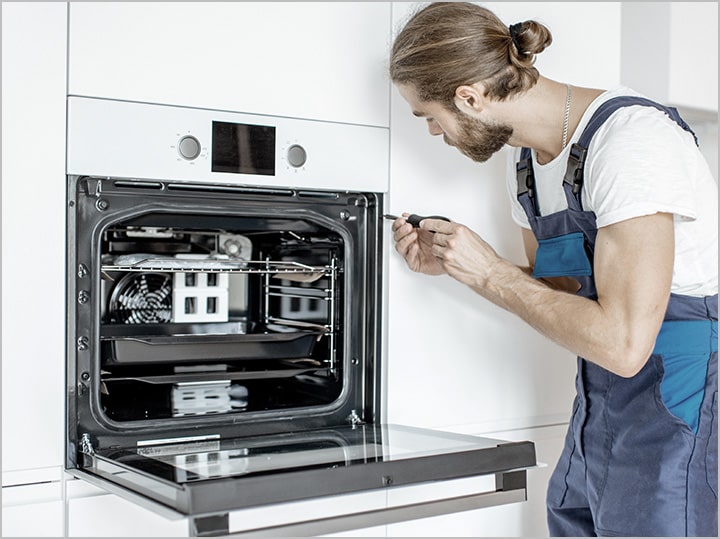
An oven that does not heat is one of the most common oven problems. Possible causes include a faulty heating element, damaged thermostat, electrical fault, failed igniter or control-board problem.
For electric ovens, inspect whether the heating elements appear damaged but avoid attempting electrical repairs yourself. Gas ovens may have ignition or gas-supply issues that require qualified attention.
Oven Heating Unevenly
If food is cooking faster on one side or remains undercooked despite following the correct cooking time, the oven may have a temperature-control or heating problem.
Possible causes include:
- Faulty thermostat
- Damaged heating element
- Poor temperature calibration
- Faulty fan in a fan-forced oven
- Damaged door seal
- Incorrect rack positioning
Checking the oven’s temperature with an appropriate oven thermometer can help identify whether the appliance is maintaining the selected temperature accurately.
Oven Temperature Is Not Accurate
An oven may appear to work normally while consistently cooking food too quickly or too slowly. This can indicate a thermostat, temperature sensor or calibration issue.
If adjusting the temperature does not resolve the problem, professional diagnosis may be necessary to determine whether a component needs adjustment or replacement.
Oven Fan Not Working
A fan-forced oven relies on its fan to circulate hot air around the cooking cavity. If the fan stops working, food may cook unevenly and the oven may take longer to reach the desired result.
A faulty fan motor, damaged fan blade, electrical connection or control component can cause this problem.
Read More: Sydney Oven Repairs
Oven Door Not Closing Properly
An oven door that does not close completely can allow heat to escape and reduce cooking efficiency. It may also create temperature fluctuations.
Common causes include:
- Worn door seals
- Damaged hinges
- Misaligned door
- Broken door components
- Food debris around the sealing area
If cleaning the sealing area does not resolve the issue, the door mechanism should be professionally inspected.
Oven Light Not Working
A failed oven light does not necessarily mean that the entire appliance has a serious fault. In many cases, the bulb may simply need replacement.
However, if a new bulb does not work, there could be an issue with the light socket, wiring or electrical control system.
Oven Making Unusual Noises
Clicking, buzzing, rattling or grinding sounds can indicate different problems depending on when the noise occurs.
For example, unusual sounds may be related to:
- Fan motor problems
- Loose components
- Cooling fan issues
- Electrical relays
- Damaged moving parts
Persistent or unusual noises should not be ignored, particularly if they occur together with heating or electrical problems.
Oven Showing an Error Code
Modern ovens often display error codes when the control system detects a fault. The meaning of each code depends on the manufacturer and model.
If an error code appears, check the appliance manual for the manufacturer’s recommended procedure. Avoid repeatedly resetting the oven if the error continues. A technician may need to diagnose the underlying problem.
Common Types of Oven Problems by Oven Type
Different oven types can experience different faults, although many problems overlap.
Electric Oven Problems
Electric ovens can develop issues involving heating elements, thermostats, temperature sensors, control boards, wiring and switches.
Common symptoms include failure to heat, uneven cooking, temperature fluctuations and electrical tripping.
Gas Oven Problems
Gas ovens require particular care because they involve gas and ignition components. Common problems can include ignition failure, uneven heating, burner issues and temperature-control faults.
Gas-related repairs should be handled by appropriately qualified professionals rather than attempted as a DIY repair.
Freestanding Oven Problems
Freestanding ovens combine the oven and cooktop in one appliance. Problems may affect the oven cavity, controls, heating system, burners, door or other components.
Built-In Oven Problems
Built-in ovens can experience similar heating, temperature and control issues. Installation, electrical connections and ventilation should also be considered when diagnosing certain faults.
Understanding the oven type and symptoms can help a technician identify the appropriate diagnostic process.
How to Troubleshoot Minor Oven Problems
Before arranging professional assistance, homeowners can safely check a few basic things.
Check the Power Supply
If an electric oven will not turn on, check whether the appliance is receiving power and whether the relevant circuit breaker has tripped.
If the breaker repeatedly trips, do not continue resetting it. This may indicate an electrical fault requiring professional attention.
Check the Oven Settings
Some apparent faults are caused by incorrect cooking modes, timer settings or temperature selections. Check the user manual and confirm that the correct function has been selected.
Inspect the Door Seal
Look around the oven door seal for visible damage, gaps or excessive wear. A damaged seal can allow heat to escape and affect cooking performance.
Clean the Oven Regularly
Grease and food residue can affect oven performance over time. Regular cleaning can help maintain the appliance and reduce avoidable problems.
However, cleaning should not involve removing electrical components or attempting to repair internal wiring.
When Should You Call an Oven Repair Expert?
Some oven problems should not be handled as DIY repairs. Professional assistance is recommended when:
- The oven repeatedly trips the circuit breaker.
- The appliance produces a burning or electrical smell.
- A gas oven has an ignition or gas-related fault.
- The oven is not heating despite basic checks.
- The temperature remains inaccurate.
- An error code continues to appear.
- Internal wiring or electrical components appear damaged.
- The oven makes persistent unusual noises.
- A component needs to be removed or replaced.
Professional diagnosis can identify the actual cause of the problem rather than simply treating the visible symptom.
How Professional Oven Diagnosis Helps
A professional technician can inspect the oven’s relevant components, identify the source of the fault and determine whether repair or component replacement is appropriate.
Professional diagnosis can help:
- Identify the underlying cause of the problem.
- Prevent unnecessary component replacement.
- Restore normal oven performance.
- Reduce the risk of further damage.
- Address electrical and gas-related safety concerns.
- Provide advice about ongoing oven maintenance.
If the problem cannot be safely resolved through basic troubleshooting, professional Oven Repairs Sydney can provide the appropriate diagnosis and repair solution.
Tips for Preventing Common Oven Problems
Regular maintenance can help reduce avoidable oven faults and extend appliance life.
- Clean the oven interior regularly.
- Keep the door seal clean and inspect it for damage.
- Avoid using harsh cleaning products that may damage components.
- Do not overload the oven.
- Keep ventilation areas clear.
- Follow the manufacturer’s operating instructions.
- Avoid attempting electrical or gas repairs yourself.
- Arrange professional inspection when recurring faults appear.
Regular care will not prevent every failure, but it can help maintain reliable performance and identify developing problems early.

Conclusion
Understanding common Oven Problems in Sydney can help homeowners recognise warning signs and take appropriate action before a minor fault develops into a more serious problem. Issues such as an oven not heating, uneven cooking, inaccurate temperatures, faulty fans, damaged doors, unusual noises and persistent error codes can have several possible causes.
Basic troubleshooting and regular maintenance can help with minor issues, but electrical, gas and internal component faults should be assessed by a qualified professional. When an oven problem requires specialist attention, a Professional Oven Repair Service can provide accurate diagnosis, reliable repairs and practical solutions to help restore safe, efficient and dependable oven performance.
Frequently Asked Questions
1. What is the average time to fix an oven?
The majority of small repairs can be done within a day and difficult problems may take a day or two to replace the parts.
2. Can I use my oven until it is fixed?
It is risky to use a faulty oven. Never leave the appliance connected and allow outside help to come and fix any electrical utilities to prevent any fire outbreaks or electrical accidents.
3. Will it be more economical to fix an oven than to buy a new one?
Yes. It is also often cheaper to repair an already existing oven rather than purchase a new one, provided that the appliance is otherwise in good condition.
4. What is the most common oven problem?
An oven not heating correctly is one of the most common problems. Other frequent issues include uneven heating, inaccurate temperatures, faulty fans, damaged door seals and error codes.
5. Do you fix ovens that are specialized such as ILVE?
Absolutely. Skilled technicians offer professional ILVE oven repairs Sydney and even the most expensive devices are repaired with care and quality.